Fire Pit Installation NJ — Custom Paver & Stone Fire Pits
Custom fire pits — wood-burning or gas-ready — built into your patio or as a standalone gathering feature. Built right, used for decades.
Premium fire pit installation that lasts decades.
A fire pit is the single best ROI feature you can add to a Camden, Burlington & Gloucester County backyard. It instantly turns a patio into a destination — and a 6-month outdoor season into a 9-month one. We build paver and natural-stone fire pits as standalone features or integrated into a larger paver patio.
Every pit uses a steel insert ring for the burn chamber (so the pavers behind it don't crack from heat), refractory mortar or dry-stack construction depending on style, and a stable compacted base under the entire footprint.
Wood-burning is the most common request, but we also build gas-ready pits with the supply stub installed for hookup by a licensed plumber. Bowls, square pits, retaining-wall-block builds, and full natural stone all available.
How we deliver fire pit installation that holds up.
- Step 1
Pick a Location
We confirm setbacks from the house, fences and overhangs, plus prevailing wind direction.
- Step 2
Pick a Style
Round vs. square, paver vs. stone, wood vs. gas-ready, with or without seat wall.
- Step 3
Base & Build
Compacted stone base, steel insert, course-by-course block or stone install.
- Step 4
Finish
Cap stones set, polymeric joints, site cleaned.
Benefits that pay off for years.
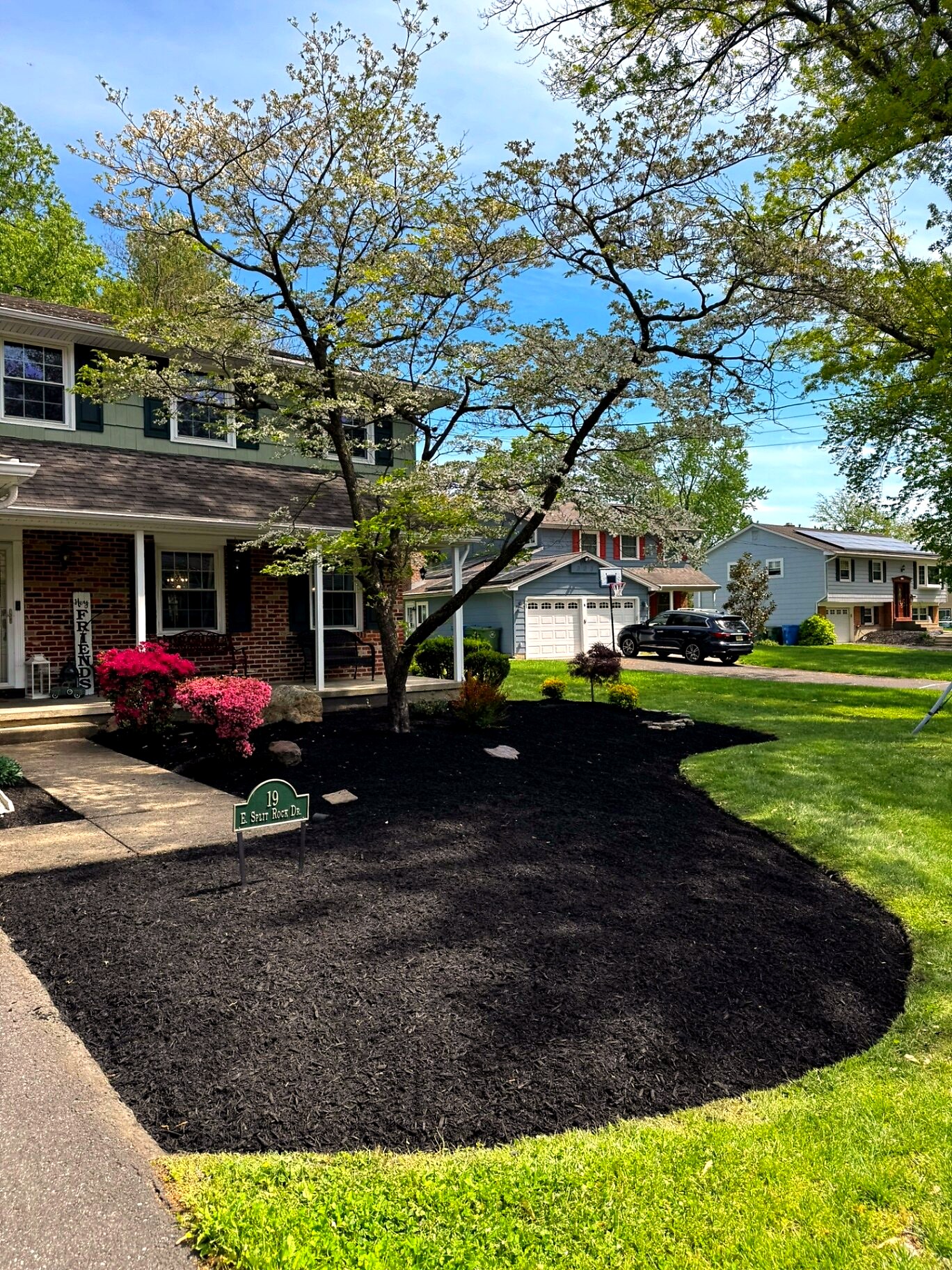
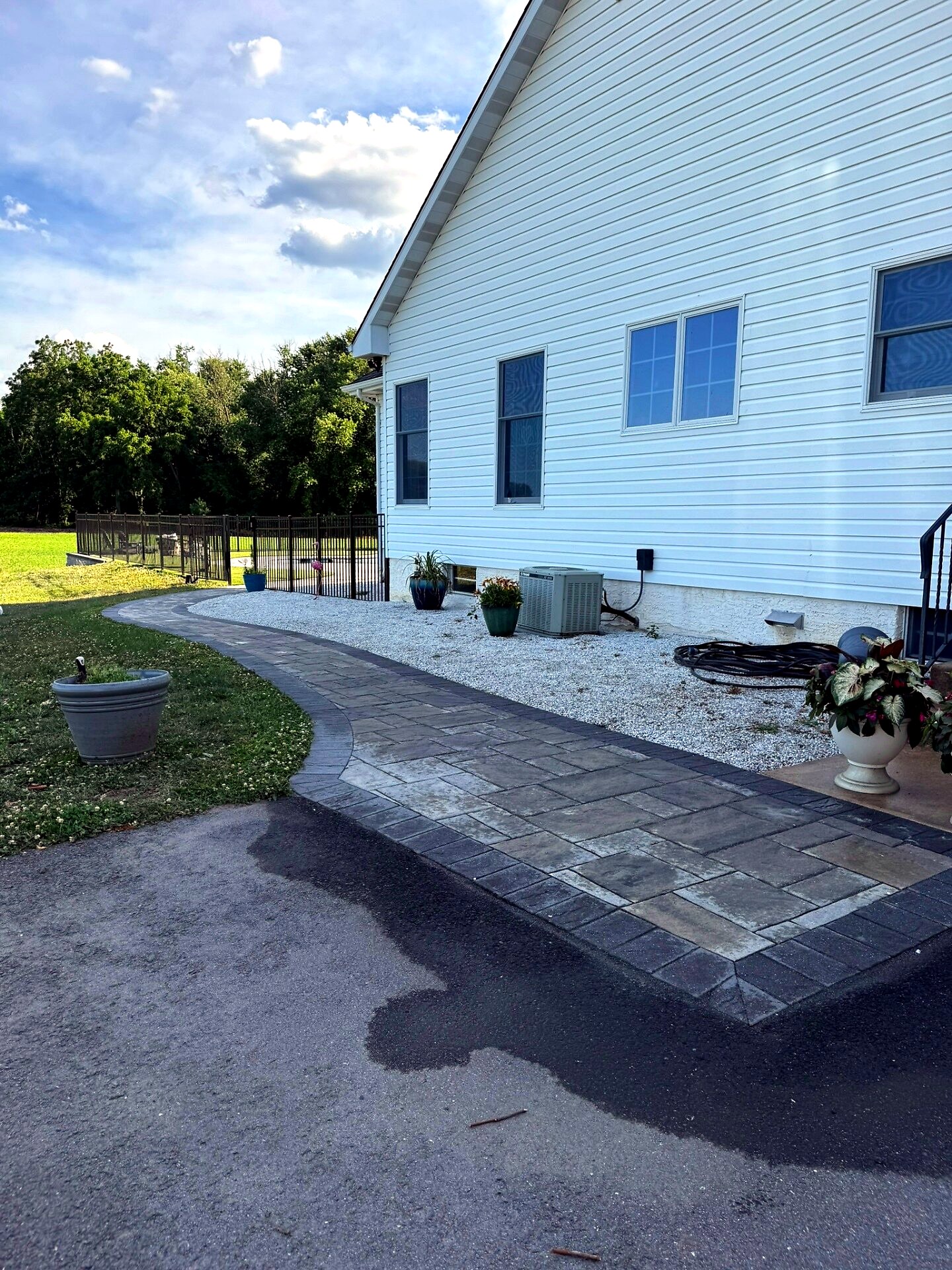
Recent fire pit installation projects from Berlin to Cherry Hill.
Fire Pit Installation questions, answered straight.
Wood or gas?+
Wood is more atmospheric and cheaper to install. Gas is cleaner, instant-on, no smoke and easier on neighbors. Both are great — we'll talk through which fits your lifestyle.
How far from the house?+
Generally at least 10 ft from any structure and away from overhanging branches. Township codes can be stricter — we'll check during the estimate.
Can you add a fire pit to my existing patio?+
Yes — we can retrofit a fire pit into an existing paver patio. The hardest part is matching the pavers, so we may use a complementary contrasting block as a design feature instead.